Reading the Sky Before the Menu: A Week of Weather-Driven Decisions on Our Terrace
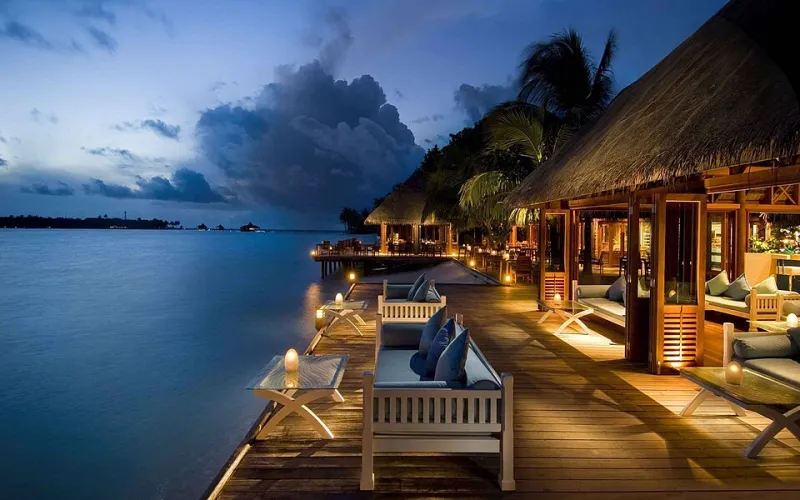
There's a moment every morning at Ameku Terrace that guests never see. Around 7:40, before the coffee urns finish their first cycle, our floor manager walks the full length of the patio with a mug in one hand and her phone in the other — not checking the weather app, but standing in it. She's feeling the air. By the time she's back at the host stand, she's already made a dozen decisions that shape your evening.
Most restaurants plan around the forecast. We plan around the terrace, which is a much more specific and opinionated thing.
The Forecast Is a Starting Point, Not an Answer
A weather app will tell you it's 74 degrees and sunny on Thursday. It won't tell you that by 5:30, the low western sun will be pouring directly across tables 9 through 12, turning a glass of rosé into a magnifying glass. It won't tell you that the breeze that feels lovely at noon tends to funnel between our buildings after 7, rattling napkins and chilling shoulders.
Those are the details that decide whether a guest lingers over a second course or asks to move inside. So we've learned to read our own microclimate, and honestly, it's become one of the more interesting parts of running this place.
Monday: Sun Angles and the Great Shade Shuffle
The week starts with the sun, because the sun keeps a schedule. As the season drifts, the angle of late-afternoon light shifts by a degree or two each day — imperceptible until suddenly the pergola shades that worked in March are useless in May.
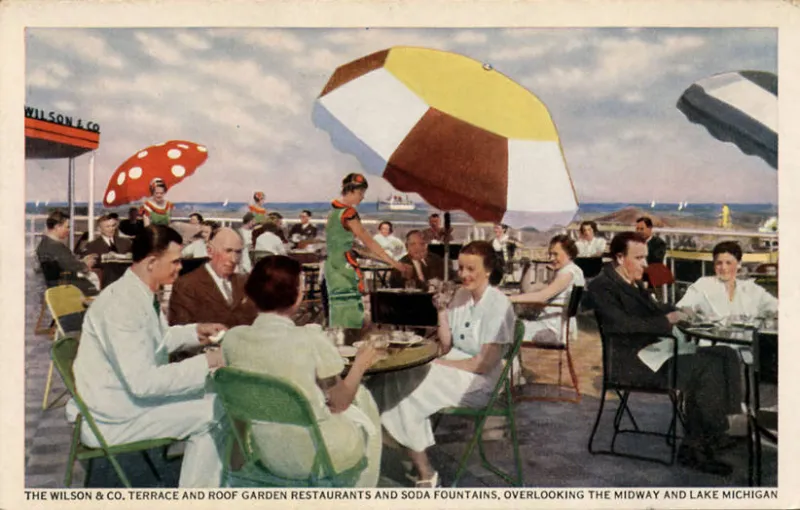
Our chef plans the menu around this more than you'd think. Dishes destined for the sunny side of the patio avoid things that wilt, melt, or congeal fast. The frozen citrus granita? That's a sunny-section item. The duck fat–roasted potatoes that hold their heat? Those get steered toward the shadier tables where guests settle in slow.
Wednesday: Wind, and the Legend of Table 14
Midweek is when the wind conversation happens. Our patio has a personality quirk: a cross-breeze that picks up around dinnertime, funneled straight through the gap between our building and the neighbor's. Guests at table 14 know this intimately.
Which is why the server who owns table 14 has become the unofficial meteorologist of the operation. She notices the flags on the awning before anyone else. When she starts moving the tabletop candles off that section, the rest of the floor knows to grab the windbreaks. She's also the first to request the blanket basket head toward her tables, usually a solid twenty minutes before any of us would have thought to.
Humidity gets logged the same way, in a less scientific fashion. High-humidity evenings mean the ice in the cocktail well melts faster, garnishes wilt quicker, and guests order lighter. Our bar team adjusts on the fly — more crushed ice, brighter citrus, a nudge toward spritzes over stirred spirits.
Friday: The Blanket Ledger
By the end of the week, the accumulated micro-decisions get put to work. Blankets go out to the corner tables first, because the corners cool fastest once the sun drops. Heat lamps get angled not at the center of the patio but at the edges, where guests are most exposed. The pergola shades come down halfway — enough to cut the glare, not so much that we lose the sky, which is, after all, the reason people book with us.
There's a temptation to think of outdoor dining as something that happens despite the weather. Spend enough evenings on a terrace and you start to see it differently. The weather is a collaborator. It tells you when to pour something chilled, when to light the lamps, when to bring the wool blankets out of storage.
We're not always right. Table 14's server has been wrong exactly twice that anyone remembers, and both times she bought the table a round. But most nights, the sky and the menu agree with each other — and the guests never have to think about any of it. They just notice that their table feels exactly right.
That's the whole job, really. Someone has to read the sky so you don't have to.