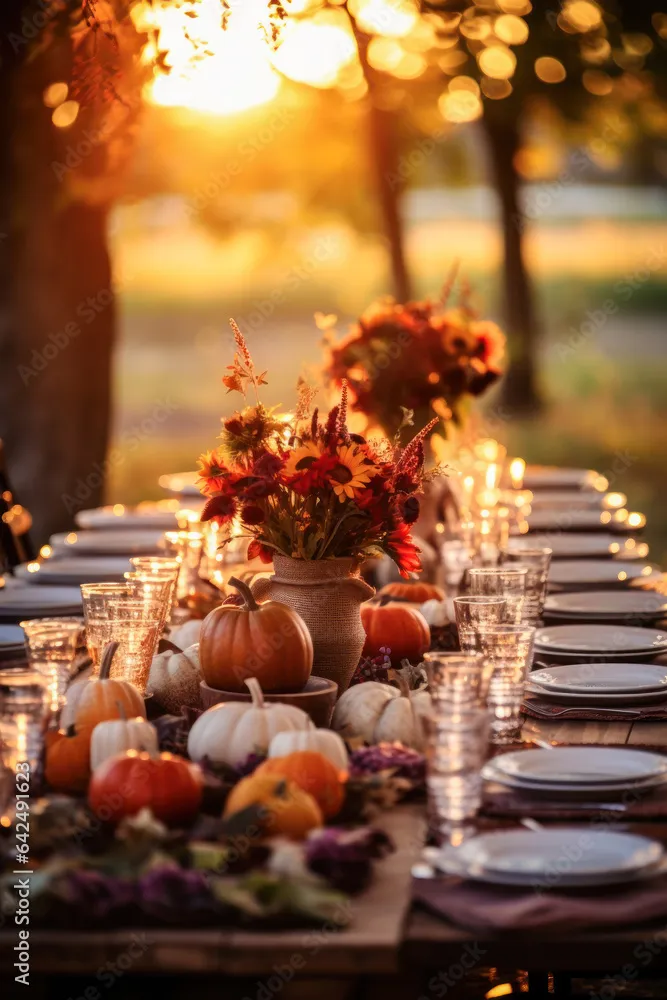
Dinner Above the Noise: The Quiet Comeback of America's Open-Air Tables
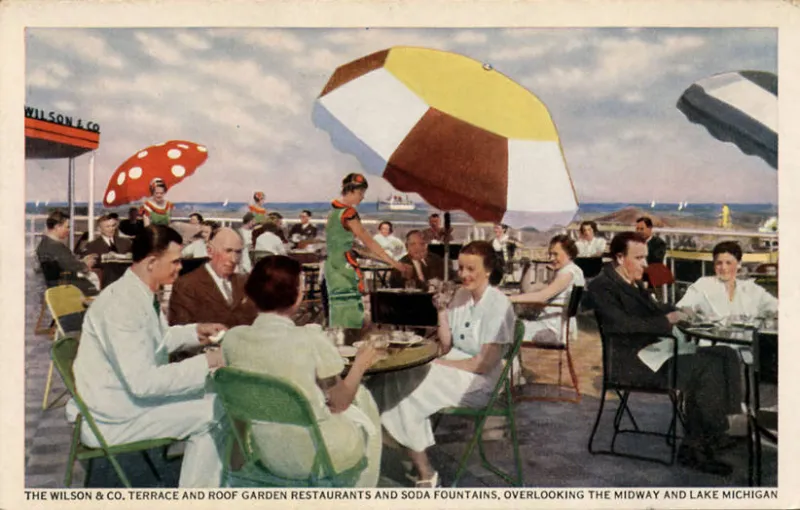
Photo: Unknown authorUnknown author, Public domain, via Wikimedia Commons
There's a moment that happens on almost every good terrace in America. The server sets down your plate, you take a sip of your drink, and somewhere below you, the city keeps moving — traffic humming, crosswalks chirping, somebody laughing outside a bar three floors down. Up here, though, none of it demands anything from you. The noise becomes texture instead of interruption.
That moment, multiplied across thousands of rooftops, patios, and elevated decks, helps explain why open-air dining has stopped being a seasonal novelty and started becoming the main event.
From Stopgap to Statement
Anyone who ate out in 2020 remembers the patios. Cities from New York to Portland fast-tracked outdoor dining permits, restaurants threw up heat lamps and plywood decks, and Americans rediscovered something older than the pandemic: eating outside just feels different.
What's interesting is what happened next. When dining rooms fully reopened, a lot of people didn't go back inside. Restaurant associations report that outdoor seating remains one of the most requested amenities in the industry, and cities like New York have made permanent programs out of what were supposed to be temporary measures.
The pandemic didn't invent terrace dining. It just removed the friction — and once diners got a taste, the indoors started looking a little flat.
Why the Sky Changes the Meal
Ask chefs about outdoor service and the answers get surprisingly technical.
The acoustics are real. In a packed dining room, sound bounces off hard surfaces and stacks on itself. On a terrace, it dissipates into open air. Conversations stay private without anyone whispering. A table of six can actually hear each other.
The lighting flatters everything. Natural light at golden hour does what no restaurant designer can fake — it makes the food look better, the company look better, and the wine look like it costs more than it did.
Appetite behaves differently outside. Cool air and gentle wind sharpen the senses. A bowl of soup that reads as comfort food indoors becomes something more vivid on a chilly evening with a skyline behind it. Chefs have noticed: menus built for terrace service lean brighter, smokier, and more seasonal than their indoor counterparts.
Eating Under Open Skies in Unexpected Places
The stereotype used to be that rooftop dining belonged to Los Angeles and Miami. Not anymore.
Minneapolis restaurants run enclosed-but-open rooftop programs through genuine winters. Chicago's rooftop bars now operate heat towers and fire tables deep into November. Denver, Nashville, and even Buffalo have built skyline dining scenes that would've seemed implausible a decade ago. The equipment got better, and the appetite was already there.
At Ameku Terrace, we think of it as a simple proposition: seasonal flavors, open skies, one table at a time. That last part matters. Terrace dining, done well, is unhurried. You're not turning over a table in ninety minutes. You're watching the light change.
What Diners Say
We asked a few regulars why they keep booking outside.
"It's the only restaurant experience where the scenery has a plot," one diner told us, describing a rooftop dinner where a thunderstorm rolled in and the whole patio cheered. "Indoors, the view is a painting. Out here, it's a movie."
Another put it more simply: "I eat slower outside. I don't know why. I just do."
Chefs notice the same thing. Slower tables mean more courses, more conversation, more dessert orders. It's the rare case where what guests want and what the kitchen wants point in the same direction.
Making the Most of a Terrace Night
A little planning goes a long way:
- Book around golden hour. Reservations sixty to ninety minutes before sunset give you the best light of the day with your first course.
- Dress in layers. Even warm evenings cool off fast at elevation. The best terraces provide blankets; the smartest diners bring a light jacket anyway.
- Order for the setting. Grilled, smoked, and citrus-forward dishes sing outdoors. Save the delicate plating for the dining room.
- Ask about the weather policy. Good terrace operations have a plan — covered seating, indoor backup, or heated zones — and will tell you honestly.
The Sky Isn't a Trend
Every few years, the industry declares outdoor dining a fad that's fading. It never fades. Americans have been eating on porches, stoops, and balconies since before there were restaurants to book. The terrace is just the porch with a better view and someone else doing the dishes.
So the next time the forecast is clear and the evening is open, look up. Somewhere above the street, there's a table with your name on it — and the city, for once, is just background music.