One Week, Three Surprises: Inside the Meeting That Rewrote Our Late-Summer Menu
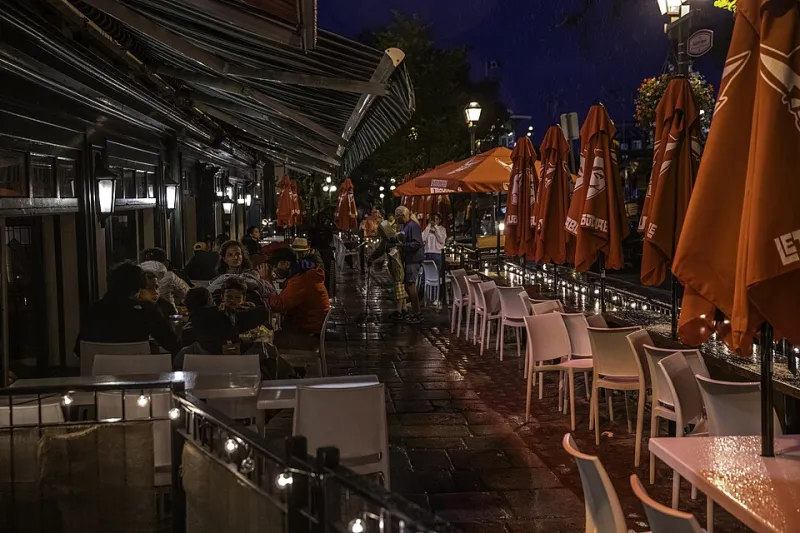
Photo: Wilfredor, CC0, via Wikimedia Commons
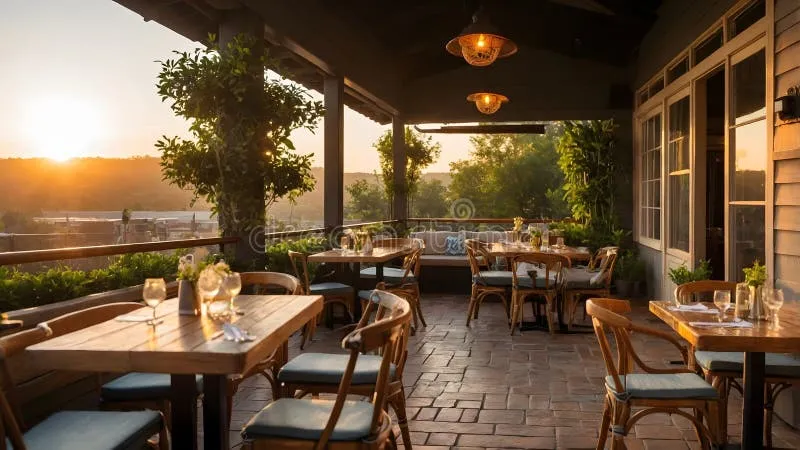
Every restaurant has a menu meeting. Ours happen on the terrace, at the corner table closest to the kitchen door, because if we're going to argue about what the season tastes like, we figure we should be sitting in it.
The week I'm about to describe started like most late-summer weeks do — tomatoes stacking up faster than we could plate them, basil threatening to take over the herb bed, and the bar team casually mentioning they'd been "experimenting." Then the phone rang, and everything got interesting.
The Tomato That Wouldn't Quit
First, the harvest. Our partner farm out in the valley called to say their heirloom tomatoes were running three weeks behind, then suddenly all ripened at once. Not a trickle — a flood. Four hundred pounds, ready now, and they'd rather we take them than watch them soften on the vine.
Most kitchens would panic. Our chef de cuisine, Dana, just laughed and said the thing she always says: "Okay, so the menu's decided, then."
That's the part outsiders miss about seasonal cooking. You don't choose the season. You negotiate with it. A late summer harvest means the tomato course we'd planned as a starter now has to carry more weight — it becomes the centerpiece. Dana started sketching a roasted tomato and whipped ricotta plate, something hearty enough to hold the middle of the menu, not just open it.
The Surprise Supplier
The second call came the next morning. A small orchard two counties over — a supplier we'd never worked with — had a storm-damaged crop of white peaches and Satsuma plums. Beautiful fruit, slightly bruised, priced to move. Could we use them by Friday?
Here's where the meeting got lively, because the kitchen and the bar wanted the same fruit for different reasons.
Dana saw a grilled peach dessert, maybe a chutney for the pork special. Marcus, our bar lead, saw something else entirely. He'd been working on a cocktail for three weeks — a smoked rosemary sour with honey from a rooftop hive a few blocks away — and it was close, but not close enough. One taste of those plums and he went quiet, the way he does when he's onto something.
"The plum goes in the sour," he said. "The peach goes on the plate. Nobody fight me."
Nobody fought him. But we did make him justify it, because that's how the committee works.
Why We Argue About Cocktails on Purpose
If you've never sat through a restaurant menu meeting, picture this: four people, one whiteboard, a plate of slightly bruised fruit, and a spirited debate about whether a drink counts as "seasonal" if the garnish is seasonal but the base spirit isn't.
Our rule of thumb is simple enough: a dish or drink earns the seasonal label when the season does the heavy lifting. If you could serve it in February and nobody would blink, it doesn't belong on the August card. The smoked rosemary sour, once Marcus swapped in that plum purée, passed the test instantly. It tasted like the last humid week of summer — which, on our terrace, is exactly the point.
The dessert went the other way. The grilled peaches were lovely, but they tasted like a chef's idea of summer rather than the season itself. Dana pulled them, salvaged the chutney, and moved on without ceremony. That's the third lesson of the week: seasonal menus require a willingness to kill your darlings on a Tuesday.
The Ameku Effect
We've started calling what happened that week "the Ameku effect" — the way a terrace restaurant, more than a dining room ever can, forces you to cook in real time. Indoors, the season is an abstraction. Out here, it's a breeze that changes your tablescape, a sun angle that moves your reservation book, and a tomato crop that ripens all at once whether your menu is ready or not.
By Friday, the new items were live: the roasted tomato plate with whipped ricotta and the plum-rosemary sour, garnished with a single grilled peach slice — a small olive branch to the dessert that didn't make the cut.
Guests don't see any of this. They see a menu. What they're actually tasting is a week of phone calls, arguments, and one very good cocktail that finally behaved.
Come Sit at the Table Where It Happens
The corner table by the kitchen door — where the committee meets — is, naturally, available for reservation. We can't promise you'll witness a menu being rewritten, but we can promise the smoked rosemary sour while the plums last. And they won't last long. That's kind of the whole deal with seasons.
Book the corner table. Order what's loud and ripe and temporary. That's not a marketing line — it's just how the menu got here.