Twelve Months at Table Nine: A Year in the Life of One Terrace Booth
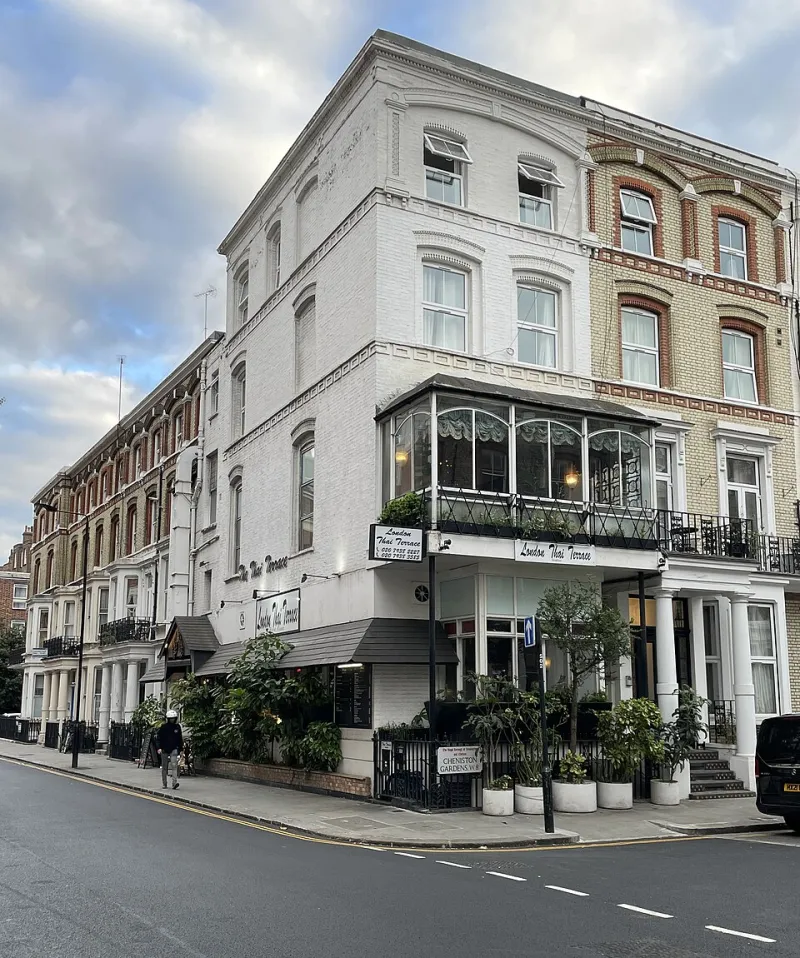
Photo: Mr Ignavy , CC BY-SA 2.0, via Wikimedia Commons
Every restaurant has a table that matters more than the others. Not the best table — the telling one. Ours is Table Nine: the corner booth at the western edge of the terrace, half-wrapped in a steel pergola, with a sightline that catches both the morning light and the last of the sunset.
For the past year, our team kept a quiet log of what happened at Table Nine. What was served. What the weather did. What the wine list looked like that week. What the guests wore, lingered over, left behind. Nobody dined differently because of it; that was the rule. We just watched.
What follows is a year at one table — and what it taught us about how a terrace restaurant actually breathes.
January: The Booth That Shouldn't Work
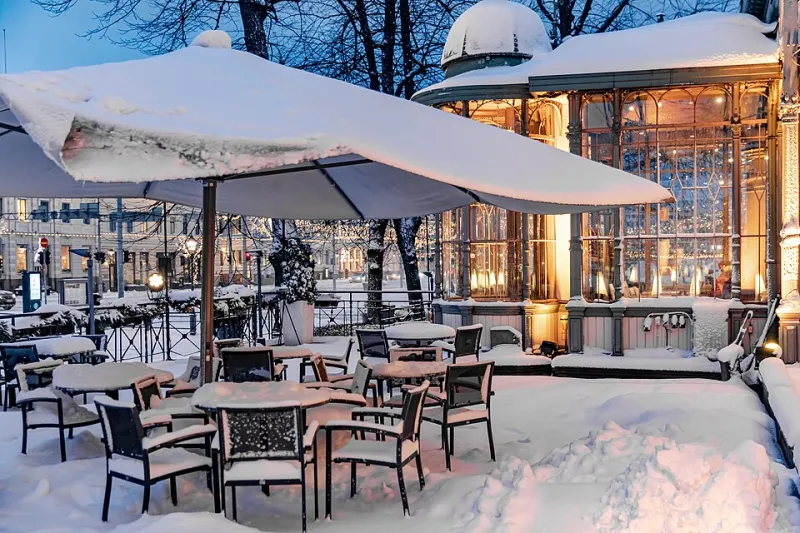
Table Nine in winter is a bet against the elements. We run the terrace through the cold months with propane heaters, wind panels, and a stack of wool blankets that our servers ferry around like flight attendants. In January, Table Nine is the last table guests request and the first one our manager checks.
The menu that month leaned hard into what the season allows: braised short rib with smoked gouda grits, a black kale salad brightened with pickled apple, and a hot toddy riff made with local rye that outsold every cocktail on the list. Service style compressed, too — shorter menu descriptions, faster table turns, servers trained to read the shivering. Nobody lingers at minus two degrees Celsius. The average Table Nine stay in January: fifty-one minutes.
The wine list that month was all reds and weight. Syrah, Cab Franc, a big Paso Robles Zinfandel. Cold weather drinking is comfort drinking, and the list knew it.
April: The Table Wakes Up
Sometime in mid-April, the blankets go into storage and the pergola gets its first cleaning of the year. This is the hinge of the terrace calendar — the week the menu stops apologizing for itself.
The kitchen's spring reset hit Table Nine first, as it does every table, but the log notes are telling: English pea purée with mint, a shaved asparagus salad, soft-shell crab on the specials board for exactly eleven days before the supply dried up. Spring menus are negotiations with uncertainty. You write the dish you want, then find out what the farmers actually have.
Service stretched out, too. The average stay climbed to nearly ninety minutes. Guests started ordering rosé again — always abruptly, as if flipping a switch. Our beverage director keeps a running joke that rosé season doesn't start on a date; it starts on the first warm Saturday, and the first warm Saturday always surprises him.
July: Peak Season, Peak Chaos
Summer is when Table Nine earns its keep. The pergola that felt gloomy in January becomes the most valuable real estate on the patio — filtered light, a breeze channel, and shade from about two o'clock onward. By July, it's the table people specifically ask for by name.
The menu at its summer peak: gazpacho with heirloom tomatoes from a farm forty minutes up the road, a grilled peach and burrata plate that sold so fast we doubled the prep twice, and a frozen espresso affogato that became the unofficial dessert of the season. Cocktails shifted to low-ABV and spritz-heavy — summer drinkers, we've found, want to stay longer and feel it less.
Service style in July is a different job entirely. Tables turn slowly, checks run higher, and the servers' rhythm becomes almost aquatic — long, rolling, unhurried. Average stay at Table Nine: two hours and ten minutes. Nobody's complaining.
October: The Cook's Favorite Season
Ask anyone in our kitchen and they'll tell you October is the best month to eat on this terrace. The light turns golden around four o'clock, the heaters come back out of storage, and the menu gets its richest colors of the year: roasted squash with brown butter, a duck ragu that takes two days, braised cabbage that converts people who claim to hate braised cabbage.
The wine list pivoted back toward earth — Burgundy, northern Italian reds, an Oregon Pinot that our beverage director had been saving for exactly this window. Service style in autumn is the hardest to describe and the best to watch: attentive but unhurried, warm without hovering. It's the season when our servers stop reciting specials and start recommending them.
December: The Table, Full Circle
We closed the log in mid-December with a note that reads, in full: "Table Nine. Party of six. Holiday reservation. Everyone ordered the short rib again. Blankets out. Heaters on. Feels like January, except everyone's smiling about it."
That's the thing we didn't expect to learn. A year at one table isn't four separate seasons — it's a circle. The winter menu makes sense because of the summer one. The blankets in December are only romantic because they were absent in July. A terrace restaurant doesn't change with the seasons so much as it is the seasons, served one plate at a time.
What Diners Never See
From the chair, a restaurant looks static: same room, same menu format, same server greeting. But behind Table Nine's booth is a rolling tide of decisions — menu rewrites, supply gambles, heater fuel budgets, rosé inventory timed to a weather forecast. Guests taste the result. The log was our attempt to see the machine.
If you take one thing from our year of watching: book the corner booth in October. Trust us. And if you sit there in January, take a blanket. We left one out for you.
Reservations for Table Nine — and every other seat on the terrace — are open now. The seasons, as always, are doing the rest.